

Wildlife Photography on Amelia Island: A Field Guide
Last Updated: November 22, 2026
Quick Summary
Amelia Island offers wildlife photography in dunes, salt marsh, maritime forest, tidal creeks and Atlantic shoreline within a short drive. Dolphins, wading birds, shorebirds and wild horses are common subjects, and early morning or sunset light works best.
Fort Clinch State Park combines dunes, beach frontage and historic walls, so one visit can yield both landscape and wildlife frames.
The Egans Creek Greenway marsh edges are where wading birds often feed; a long lens from the trail avoids disturbing them.
Falling tides expose mudflats where shorebirds feed, while high tides push birds into marsh edges and onto beaches.
Use a telephoto lens around 300mm to 600mm, with a fast shutter speed such as 1/1000 sec for birds in flight.
Never flush birds from nests or crowd feeding animals, and follow marine mammal viewing guidelines when approaching dolphins by boat.
Want to shoot wildlife from the water?
Follow That Dream Sailing offers stable catamaran cruises near Amelia Island's dolphins and wild horses.
Table of Contents
Why Amelia Island Works for Wildlife Photography
Amelia Island in Northeast Florida gives wildlife photographers a rare mix of habitats within a short drive: dunes, salt marsh, maritime forest, tidal creeks and open Atlantic shoreline. Seeing this coastline from the water offers a useful vantage point. Dolphins, wading birds and shorebirds can be easier to approach and frame from a boat than from a crowded boardwalk.
Photographers come for the variety. The same morning can produce wading birds at a marsh edge, shorebirds working the tideline and a wild horse grazing near the dunes. Public events add structure too.
Plan for the variety you will actually find. Wildlife is never guaranteed, and the best shoots are built around known habitats, the right light and patience.
Best Birding Spots on Amelia Island for Photographers
Local birding and photography spots reward a bit of research before you go. Each one suits a different kind of shot, and the spots below are chosen for their habitat rather than their popularity.

Fort Clinch State Park and the Beaches
Fort Clinch State Park combines historic brick walls, dunes and beach frontage, so one visit can yield both landscape and wildlife frames. Arrive early, when the beach is typically quieter and birds are often most active.
Egans Creek Greenway and Marsh Edges
The Egans Creek Greenway runs along marsh edges where wading birds often feed in the shallows. A long lens from the boardwalk or trail can help you shoot without disturbing feeding birds.
Big Talbot Island and Boneyard Beach
Big Talbot Island is known for Boneyard Beach, where weathered driftwood trees stand against the surf. Wind and salt spray are common there, so protecting your gear is wise.
Wildlife Species and a Season-by-Season Calendar
Amelia Island's wildlife changes with the seasons, so planning around the calendar can help. The table below maps the species groups you are most likely to find against the months and conditions that favor them. Treat it as a planning aid, not a guarantee, wildlife moves with weather, tide and disturbance, and a cold front can reset a whole week.
Species group | Best months | Where to look | What to plan around |
Wading birds (egrets, herons, ibis, wood storks) | Year-round, peaking late winter through spring | Egans Creek Greenway marsh edges, tidal creek mouths | Falling tide concentrates prey in shallows; first two hours after sunrise |
Shorebirds (sandpipers, plovers, ruddy turnstones) | Fall through spring, strongest on migration | Fort Clinch beach frontage, Boneyard Beach tideline | Low tide exposes feeding flats; avoid peak beach-use hours |
Gulls and terns | Spring through fall | Open beach and inlet edges | Side light early and late; wind direction shapes where they loaf |
Raptors (ospreys, hawks, bald eagles) | Year-round, nesting activity spring | Maritime forest edges, tall snags near marsh | Midday thermals for flight shots; nest sites are off-limits to approach |
Dolphins | Year-round | Tidal creeks, nearshore Atlantic, inlet mouths | Falling tide and calm mornings; boat-based viewing follows NOAA guidelines |
Wild horses (nearby barrier island) | Year-round | Dune and maritime forest from the water | Early morning and evening; view from a distance and never approach on foot |
Migration is a major factor in the calendar, and shorebird movement is often tied to weather systems. Nesting season, roughly spring into summer for most local birds, is when disturbance does the most damage, so keep your distance and skip any frame that requires pushing a bird off a nest.
Dolphins are present in local waters year-round, and wild horses on the nearby barrier island can often be seen from the water.
Build your own calendar around the species you most want to capture, then confirm current viewing conditions before booking a trip. A common pattern among local shooters is to pick two target species per trip, one marsh bird and one beach subject, and let tide and light decide the order. Our 5-hour cruise offers a steady platform for telephoto shooting, though wildlife sightings depend on conditions. See the sightseeing cruise route past Cumberland Island for what you can expect to see.
Best Times of Day, Tides and Weather for Shooting
Light is the single biggest variable. Early morning and the hour before sunset produce warm, directional light that flatters feathers and fur, while midday sun flattens detail and creates harsh shadows. Plan your sessions for the first and last hours of daylight.
Tides shape what you can reach. Falling tides expose mudflats where shorebirds feed, while high tides push birds into the marsh edges and onto beaches. Check tide tables before you go and match your location to the water level.
Wind and weather affect both your gear and your subjects. Calm, overcast mornings often bring birds closer, while strong wind makes long-lens work harder and can push boats and shorelines around. Our 3-hour sunset cruise offers evening light on the water, which many photographers appreciate.
Wildlife Photography Tips: Gear, Settings and Field Technique
A telephoto lens is the core tool for most wildlife work. Lenses in the 300mm to 600mm range are typical for birds at distance, and a stable support, a monopod, or a tripod with a gimbal head, keeps the frame steady on a moving boat. On a catamaran, a gimbal on a tripod is often more useful than a hand-held rig because the deck moves under you; brace against a rail and keep the horizon level in the viewfinder.
Settings are where most missed frames happen. Start with a fast shutter speed to freeze wing and fin movement, think 1/1000 sec or faster for birds in flight, and 1/500 sec or faster for feeding waders and dolphins breaking the surface. Use continuous autofocus with a single active focus point on the eye, and raise ISO rather than letting shutter speed drop. Modern bodies hold up well at higher ISO, and a slightly noisy sharp frame beats a clean blurry one every time. Shoot in short bursts, then review and refine.
A few field-tested defaults are worth carrying into every session:
Drive mode: continuous high, but keep bursts to two or three frames so you do not fill the buffer at the wrong moment.
Metering: evaluate the scene, bright sand and water fool average metering, so check the histogram and expose for the subject's highlights.
Stabilization: on for hand-held and monopod work; off when the rig is locked down on a tripod, where it can hunt.
Focus limiter: set it to the range you expect so the lens does not rack through the whole focus distance on a missed acquisition.
Back-button focus: separates focus from shutter and makes it easier to hold focus on a perched bird and fire when it moves.
Low light is the hard part. Dawn and dusk give the best light but the least of it, so plan the trade-off: open the aperture, accept a higher ISO, and lean on stabilization for static subjects. For flying birds in dim light, pre-focus on a likely perch or flight path and let the subject come to you rather than chasing focus across the frame.
Field technique matters as much as equipment. Move slowly, keep low, and let subjects come to you. Position yourself so the light falls across your subject, not behind it, and frame with a clean background such as water or sand. Watch out: flushing a bird once can clear a whole flat for the rest of the morning, so if a subject tenses or shifts its feet, stop and back off rather than pressing for one more frame.
On the water, the boat changes the math. A steady platform helps long lenses, but engine noise and wake push dolphins and birds away, so ask the crew to approach slowly and cut speed well before you are in range. For more on choosing a lens, the photography tips above are a good starting point.
Ethical Wildlife Photography and Staying Safe Around Animals
Animal welfare should come before any photograph. Animal welfare should guide every shoot, and photographers should avoid disturbing wildlife or breaking the law. Never flush birds from nests or crowd feeding animals to get a closer frame.
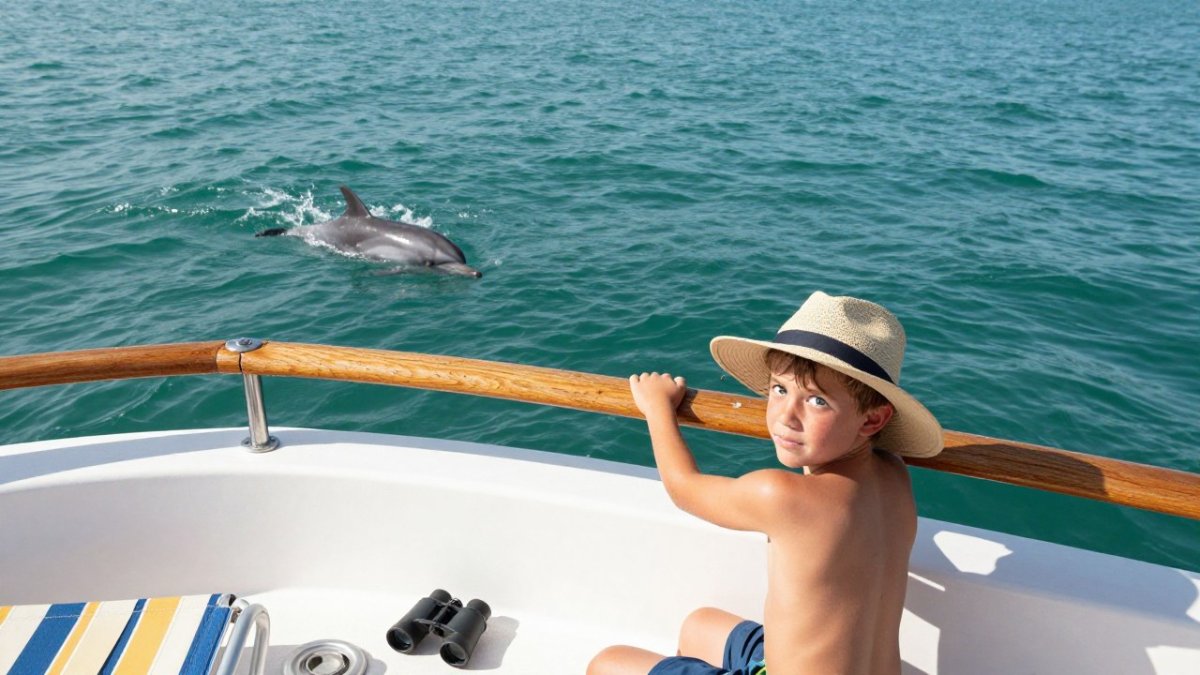
Marine mammals and sea turtles have their own rules. Recommended viewing guidelines and distances apply to marine mammals, so check them before you approach dolphins from a boat (Marine Life Viewing Guidelines). Keep your distance, reduce speed when wildlife is near, and let the animals decide the pace.
Staying safe also means respecting the wild horses on nearby islands and the terrain you walk. Keep a respectful distance from horses, carry water, and watch the tide when you work on the beach.
Amelia Island Photography Tours and Guided Options
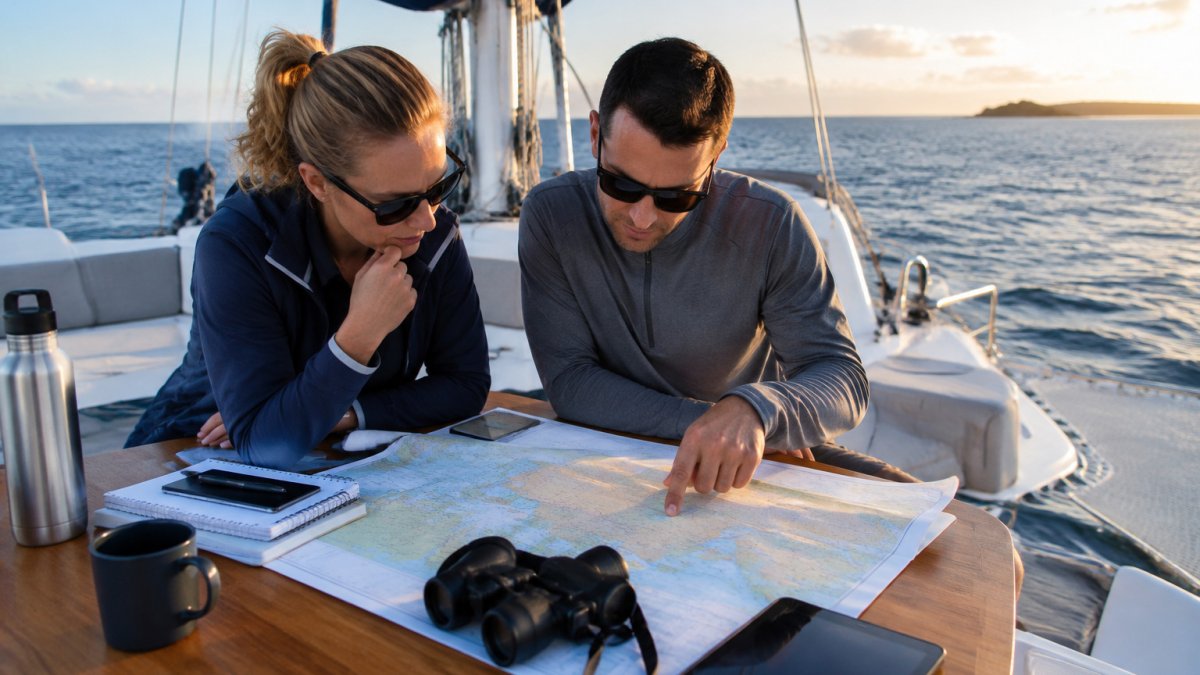
Guided options can shorten your learning curve and get you to the right place at the right time. A water-based outing works well for dolphins and wild horses, while shore-based walks suit birds in marsh and dune habitats. Compare what each option covers before you book.
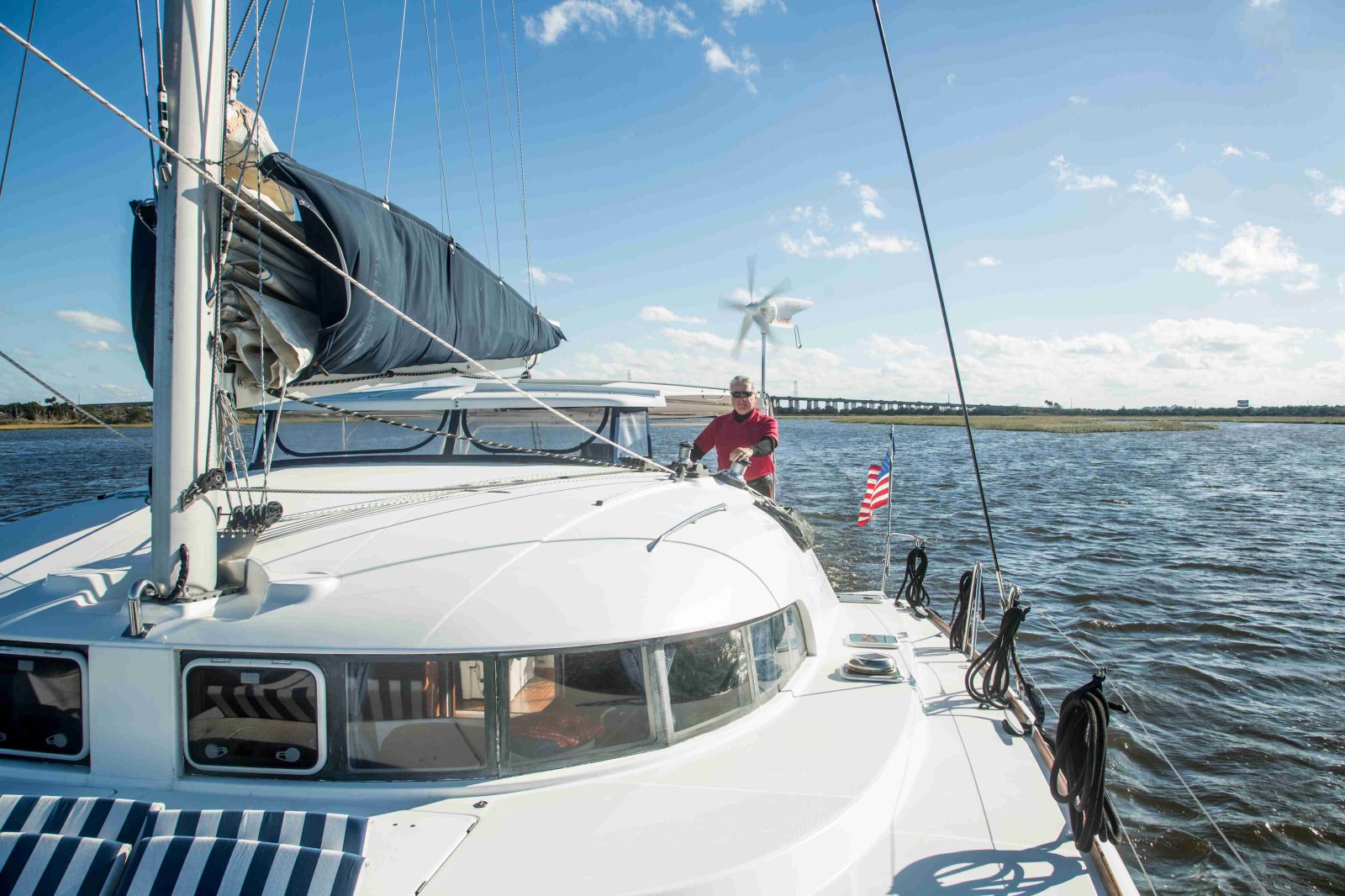
Follow That Dream Sailing offers cruises around Fernandina Beach and Amelia Island, including a 5-hour cruise and a 3-hour sunset cruise, that may suit photographers interested in local landscapes and wildlife. For photographers working from a boat, a stable catamaran gives you a steady platform for long-lens shooting.
Book a Water-Level View of the Island's Wildlife
If you want to shoot dolphins and wild horses from the water, a sailing charter gives you a steady, low vantage point that is hard to match from shore.
Check our cruise pricing for the catamaran charters available, then contact us for details. Bring your telephoto lens, arrive a few minutes early, and let the crew help you find the best angle for the day's light.
Frequently Asked Questions
Where are the best places to photograph wildlife on Amelia Island?
Fort Clinch State Park, Egans Creek Greenway and Big Talbot Island's Boneyard Beach are among the most commonly visited spots for wildlife photography. Fort Clinch offers beach and marsh habitat, Egans Creek Greenway gives access to wading birds along the water's edge, and Boneyard Beach provides a dramatic coastal setting. Arriving early or late in the day gives you softer light and calmer wildlife activity. Check current park hours and access rules before you go, since conditions and permitted activities can change.
What wildlife can you photograph on Amelia Island?
Visitors commonly photograph wading birds such as egrets and herons, shorebirds along the beaches, and a range of migratory songbirds in season. Marsh and creek edges can also reveal fiddler crabs and other coastal life. Larger animals are seen less predictably, so a telephoto lens and patience matter more than any single guaranteed sighting. Wildlife is never guaranteed, so treat each outing as an opportunity rather than a promise.
When is the best time of day for wildlife photography on Amelia Island?
Early morning and the hour before sunset usually provide the warmest, most flattering light and the most active wildlife. Midday sun is harsh and often quiets birds down. Tide also matters: many shorebirds and wading birds feed as the water drops, so checking a tide table before you head out can improve your chances. Plan for at least one early outing if you want the strongest light.
What birds can you see on Amelia Island?
Amelia Island's mix of beach, marsh and maritime forest habitat supports wading birds such as great egrets and herons, shorebirds along the sand, and migratory songbirds that pass through in spring and fall. Local bird counts and birding groups publish seasonal sightings, which is a good place to check what has been recently observed. Bring a field guide or a birding app to help identify species on the spot.
What camera lens is best for wildlife photography?
A telephoto lens in the 300mm to 600mm range is the most common choice for wildlife photography, because it lets you fill the frame without approaching animals closely. Many photographers use a zoom in the 100-400mm range as a versatile starting point. Image stabilization and fast autofocus are useful for moving birds. Renting a long lens before a trip is a practical way to test what suits your style.
Can you join a photography tour on Amelia Island?
Guided photography outings and tours are available on Amelia Island, and they can help with access, timing and finding wildlife in unfamiliar habitat. Tour formats, group sizes and pricing vary, so check each provider's current offerings directly. Follow That Dream Sailing offers water-based sailing cruises that include stable, comfortable viewing of local landscapes and wildlife; see the brand's website for current schedules and booking details.
Are there alligators near Amelia Island?
Alligators live in freshwater and brackish habitats across Florida, and they can occasionally be seen in marshes and creeks near Amelia Island. Keep a safe distance, never feed them, and avoid approaching the water's edge for a closer shot. Staying on established paths and following posted signage protects both you and the animals.
Comments